

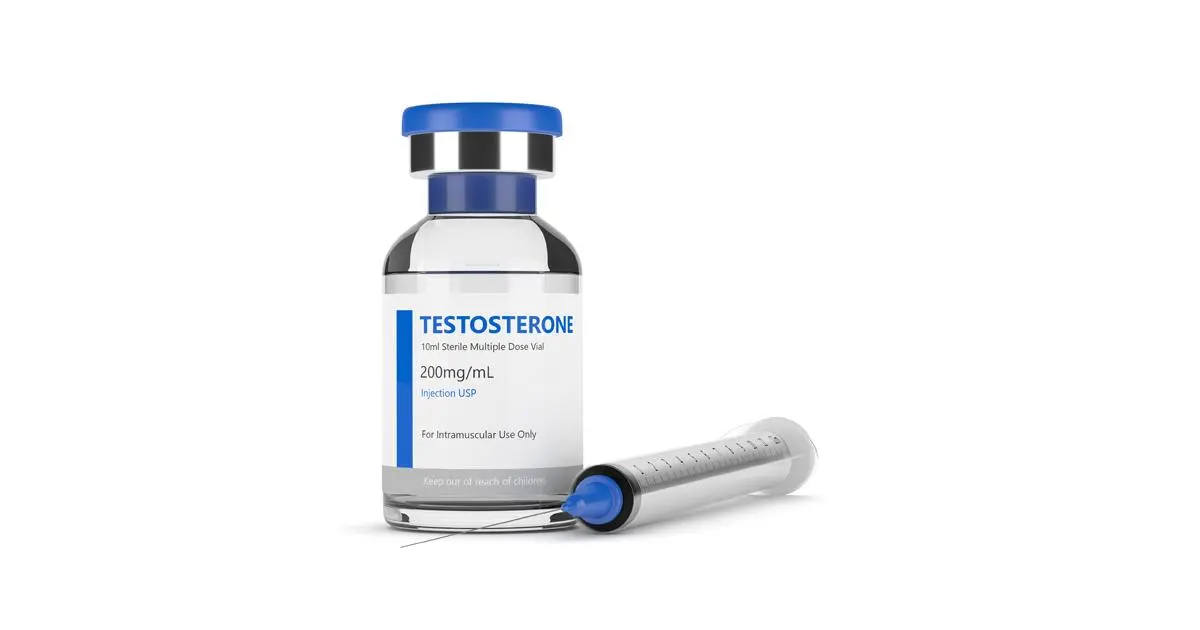
Plenty of men find themselves dealing with low energy, less muscle, and a fading sex drive. It’s natural to wonder if testosterone supplements might help. The market’s overflowing with products—everything from injectable esters like testosterone enanthate and cypionate to “natural” boosters that make bold promises.
The reality? Pharmaceutical testosterone preparations remain the most direct and reliable solution for raising testosterone, while natural supplements often deliver mixed or underwhelming results.
If you’re trying to figure out what’s worth your time (and money), it helps to look at the science behind these different options—both the pharmaceutical esters and the so-called natural alternatives.
Understanding Testosterone and Its Importance
Testosterone is the main male sex hormone. It drives muscle growth, bone strength, and sexual function—pretty crucial stuff, honestly.
Levels of testosterone drop naturally as we age, which can trigger a whole range of issues that impact both body and mind.
Roles of Testosterone in the Body
This hormone doesn’t just build muscle. It helps keep our bones solid and regulates fat distribution, too.
Physical Functions:
- Builds and maintains muscle mass
- Strengthens bone density
- Regulates fat distribution
- Controls body hair growth
Sexual function, including libido and erectile performance, depends on healthy testosterone. When levels drop, desire and performance can take a nosedive.
Testosterone also influences our energy, focus, and mood. Guys with good levels usually report more drive and mental clarity. It even helps with sleep and general pep.
Mental and Emotional Effects:
- Maintains energy levels
- Supports mental focus
- Regulates mood stability
- Influences confidence levels
Natural Decline and Testosterone Deficiency
Testosterone peaks in our twenties, then starts to slip—by about 1-2% each year after 30. That’s not a myth, it’s just biology.
This steady decline shows up as less muscle, more body fat, and lower energy. Pretty common complaints as the years tick by.
Millions of men worldwide deal with testosterone deficiency, or hypogonadism. Sometimes it hits early, thanks to medical issues or lifestyle choices.
Common Signs of Declining Testosterone:
- Decreased muscle strength
- Reduced bone density
- Lower energy levels
- Diminished sexual desire
Low Testosterone: Causes and Effects
It’s not just age. Health conditions like diabetes and obesity can tank testosterone, and some meds don’t help either.
Primary Causes:
- Age-related decline
- Medical conditions (diabetes, obesity)
- Medications and treatments
- Stress and poor sleep
- Lack of physical activity
Low testosterone isn’t just about the body—it can mess with your mind, too. Depression and mood swings often creep in.
Erectile dysfunction becomes more common, and that stress can make hormone levels drop even further. It’s a vicious cycle.
Physically, you might see more belly fat, weaker muscles, and thinner body hair. Your skin can even get softer, and bones more fragile.
Long-term Health Risks:
- Increased risk of osteoporosis
- Higher chance of depression
- Greater likelihood of metabolic disorders
- Reduced quality of life
Pharmaceutical Testosterone Supplements: Do Testosterone Esters Really Work?

Testosterone esters like enanthate, cypionate, and propionate are the go-to medical treatments for low testosterone. These injectables deliver reliable hormone levels and come with clear advantages over oral or “natural” options.
Testosterone Replacement Therapy Overview
Doctors use testosterone replacement therapy (TRT) to treat men with confirmed low testosterone. You can’t just buy these over the counter—prescriptions and medical supervision are required.
TRT supplies bioidentical testosterone, sidestepping the body’s own (sometimes faulty) production. It’s a direct approach.
Common TRT delivery methods include:
- Injectable esters (most effective)
- Topical gels and creams
- Patches
- Pellet implants
Injectable esters are still the standard. They keep hormone levels steady and don’t require daily fussing like gels do.
Doctors monitor dosing and run blood tests to keep things safe—checking hormone levels, red blood cells, and possible side effects.
Testosterone Enanthate: Effectiveness and Safety
Testosterone enanthate injections are among the most popular choices. This long-acting ester keeps hormone levels stable for about a week to ten days.
Most guys get 100-200mg every week or two. Clinical studies back up the effectiveness of 200mg every other week.
Key benefits include:
- Reliable hormone delivery
- Less frequent injections needed
- Proven clinical efficacy
- Cost-effective treatment option
The slow-release design helps keep levels steady, which most people find preferable to the rollercoaster effect of shorter esters.
Side effects can pop up—think injection site pain, mood changes, or higher red blood cell counts. Regular check-ins help catch problems early.
Testosterone Cypionate: Uses, Benefits, and Risks
Testosterone cypionate works much like enanthate, but lasts a bit longer. Doctors often use them interchangeably.
Most people inject it weekly or every other week. The longer half-life makes scheduling a little easier for some.
Cypionate characteristics:
- Half-life: 8-12 days
- Injection frequency: Weekly to bi-weekly
- Similar efficacy to enanthate
- Well-tolerated by most patients
Some men prefer one ester over another, mostly because of how the injections feel—not because the hormones work differently.
Studies show there’s no real difference in how well they work.
Testosterone Propionate and Other Esters Compared
Testosterone propionate acts fast, with a half-life under a day. That means more frequent shots, but also quicker adjustments if needed.
Ester comparison table:
| Ester | Half-life | Injection Frequency | Clinical Use |
|---|---|---|---|
| Propionate | 0.8 days | Every 2-3 days | Limited medical use |
| Enanthate | 4-5 days | Weekly to bi-weekly | Standard TRT |
| Cypionate | 8-12 days | Weekly to bi-weekly | Standard TRT |
Propionate’s quick action fits certain situations, but frequent injections make it a hassle for long-term use.
Longer esters like enanthate and cypionate stay in the system longer, so they’re better for ongoing therapy.
Most doctors stick with enanthate or cypionate for regular TRT—they’re effective and more convenient for most people.
Natural Testosterone Boosters and Evidence-Based Supplements

Some natural supplements actually show real promise for supporting testosterone. Adaptogenic herbs, certain vitamins and minerals, and key amino acids can help—especially when you combine them with a healthy lifestyle.
Ashwagandha and Adaptogens for Testosterone Support
Ashwagandha gets a lot of attention, and for good reason. Clinical studies have shown it can bump testosterone up by 10-22% in men, whether their levels started out low or just average.
This herb mainly works by lowering cortisol, a stress hormone that suppresses testosterone. So, managing stress really does matter here.
Key benefits of ashwagandha include:
- Reduced cortisol by up to 30% in stressed individuals
- Improved strength and muscle mass gains
- Better sleep quality and recovery
- Enhanced sperm quality and count
Doses of 300-600mg of standardized root extract daily seem most effective. It works best when you stick with it for at least 8-12 weeks.
Other adaptogens, like rhodiola or holy basil, might help with stress, but ashwagandha has the best track record for testosterone specifically.
Vitamins and Minerals: Zinc, Magnesium, and Vitamin D
Three nutrients stand out for hormone health: zinc, magnesium, and vitamin D. If you’re low in any of these, your testosterone can take a hit.
Zinc is essential for making testosterone. Men who get enough zinc tend to have higher levels, so 15-30mg daily (with food, to avoid nausea) is a smart move.
Magnesium is involved in hundreds of body processes, including hormone production. Studies show that supplementing with 200-400mg a day can boost both total and free testosterone.
Vitamin D acts more like a hormone than a vitamin. Men with healthy vitamin D levels (above 30ng/mL) usually have up to 25% more testosterone than guys who are deficient.
Combining zinc and magnesium can be especially effective. Many athletes use ZMA blends (zinc, magnesium, B6) to support recovery and hormones.
Herbal Supplements: Fenugreek, Tribulus Terrestris, and D-Aspartic Acid
Some herbal compounds might boost testosterone, but honestly, results swing a lot from person to person.
Fenugreek packs furostanolic saponins, which seem to bump up testosterone by blocking enzymes that turn it into other hormones.
Researchers have seen testosterone rise 6-12% with 500mg a day, though not everyone responds the same.
Tribulus terrestris still gets a lot of attention, even though studies can’t seem to agree. A few show small testosterone boosts, but plenty find no real effect.
To complicate things, the quality and standardization of tribulus supplements jump all over the place depending on the brand.
D-aspartic acid works by nudging the body to release luteinising hormone, which tells your system to make more testosterone.
Early studies looked great—testosterone jumped 42%. But more recent research, especially in guys who already train hard, barely shows a benefit.
Honestly, these herbal supplements seem to work best when you stack them with good nutrition and solid training, not as magic bullets.
DHEA and Other Nutritional Strategies
DHEA (dehydroepiandrosterone) acts as a building block for testosterone and other sex hormones.
As we get older, our bodies make less DHEA, so topping up might help, especially for men past 40.
Research says DHEA can slightly boost testosterone in men with low starting levels. Most people stick to 25-50mg a day.
Other nutritional strategies that might help:
- Creatine monohydrate (could support testosterone under heavy training)
- Boron (helps free up testosterone by lowering SHBG)
- Pomegranate extract (offers antioxidant support for the testes)
Still, lifestyle basics matter more than any supplement. Getting enough sleep, managing stress, and eating enough protein usually move the needle more for testosterone than a pill ever could.
Quality makes a huge difference with these boosters. Loads of commercial products use weak doses or odd ingredient combos that just don’t deliver in real life.
Choosing the Right Approach: Safety, Effectiveness, and Lifestyle Considerations
Picking a testosterone supplement means weighing the possible upsides against some pretty real health risks, and honestly, your personal situation matters a lot.
Medical supervision is non-negotiable for safe testosterone therapy, whether you go for enanthate, cypionate, or any other ester.
Risks and Side Effects of Testosterone Supplementation
Testosterone replacement therapy comes with risks you can’t just wave away. Supplementing testosterone can mess with your body’s natural hormone production, making it tough to get back to normal after you stop.
Heart issues top the list of concerns—blood clots, heart attacks, and strokes all become more likely.
Oral testosterone can hammer your liver, so regular bloodwork isn’t just a suggestion—it’s a must.
Mood changes are common, swinging from aggression to depression. Some guys find the mood swings tough on relationships and work.
Physical side effects? Here are the big ones:
- Hair loss or male pattern baldness
- Acne and oily skin
- Breast tissue growth (gynaecomastia)
- Testicular shrinkage
- Lower sperm production
Sleep apnoea can get worse if you already have it. Blood monitoring is especially important with longer-acting esters like enanthate and cypionate to keep an eye on these risks.
Potential Benefits Beyond Testosterone Increase
When done right and supervised, TRT can make a real difference for men with genuinely low testosterone.
Energy levels usually tick up in the first few weeks, which honestly feels like a breath of fresh air for a lot of guys.
Sexual function often improves, with more libido and better erections. Plenty of men report a renewed drive and confidence in the bedroom.
Muscle mass and strength can climb after a few months, and fat tends to shift away from the belly toward more lean mass.
Bone density gets a boost over time, which matters a lot for older men worried about osteoporosis.
Mood can stabilize, especially in men whose low testosterone drove depression or anxiety. Mental sharpness often comes along for the ride.
Injectable testosterone esters keep hormone levels more stable than daily gels or pills. Testosterone enanthate and testosterone cypionate need injections every week or two, while propionate demands even more frequent dosing.
Consulting Healthcare Professionals and Individualised Care
Medical supervision isn’t optional if you want to use testosterone safely. Licensed testosterone formulations require proper medical selection that matches your health profile and what you actually need.
Before you even think about starting testosterone therapy, you’ll need blood tests. Baseline measurements like total testosterone, free testosterone, and a few related hormones give your doctor a starting point.
Individualised treatment plans—they’re honestly all over the map. Your age, health conditions, and what you’re hoping to get out of treatment all play a part.
Regular monitoring isn’t just a box-ticking exercise:
- Testosterone levels every 3-6 months
- Liver function tests
- Cardiovascular health checks
- Prostate exams if you’re an older guy
Treatment effectiveness hinges on picking the right patients—not on some cookie-cutter formula. Your doctor should walk you through what to expect, possible side effects, and what else you could try if needed.
Testosterone boosters and most over-the-counter supplements? Honestly, they don’t have the regulation or proof behind them that prescription options do. Medical professionals can usually spot the difference between slick marketing and real science.
If you run into serious side effects, emergency protocols matter. Make sure you know when to call your healthcare provider right away—better safe than sorry.

About Dr. Aditya K. Sharma
I am Dr. Aditya Sharma, a dedicated urologist specializing in kidney transplants and advanced urological surgeries. My career is driven by a passion for delivering exceptional care and pioneering surgical techniques. Outside the operating room, I have a keen interest in studying the effects of anabolic steroids on bodybuilding, seeking to understand the fine line between enhancing performance and maintaining health.
View all posts by Dr. Aditya K. Sharma